AI Meal Prepping Indian Diet: Complete Step-by-Step Guide
Introduction
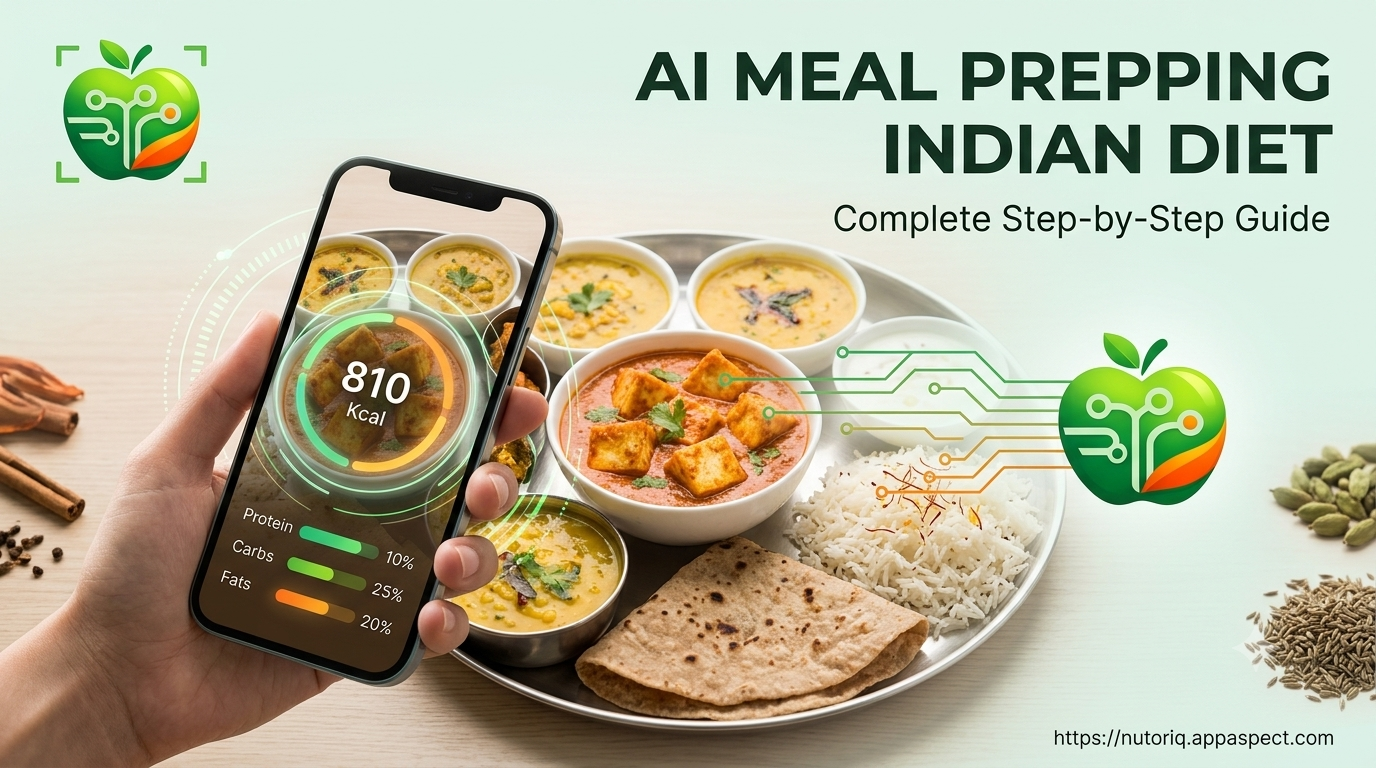
AI meal prepping Indian diet combines technology with tradition to help health-conscious Indian adults eat balanced meals without endless calculations. By leveraging AI photo logging, calorie estimation, and personalized nutrition coaching, you can streamline grocery trips, control portions, and stay on track with your fitness goals. This guide walks you through every stage-from snapping a photo of dal to batch-cooking chapatis-so you can enjoy flavorful Indian cuisine while meeting macro targets.
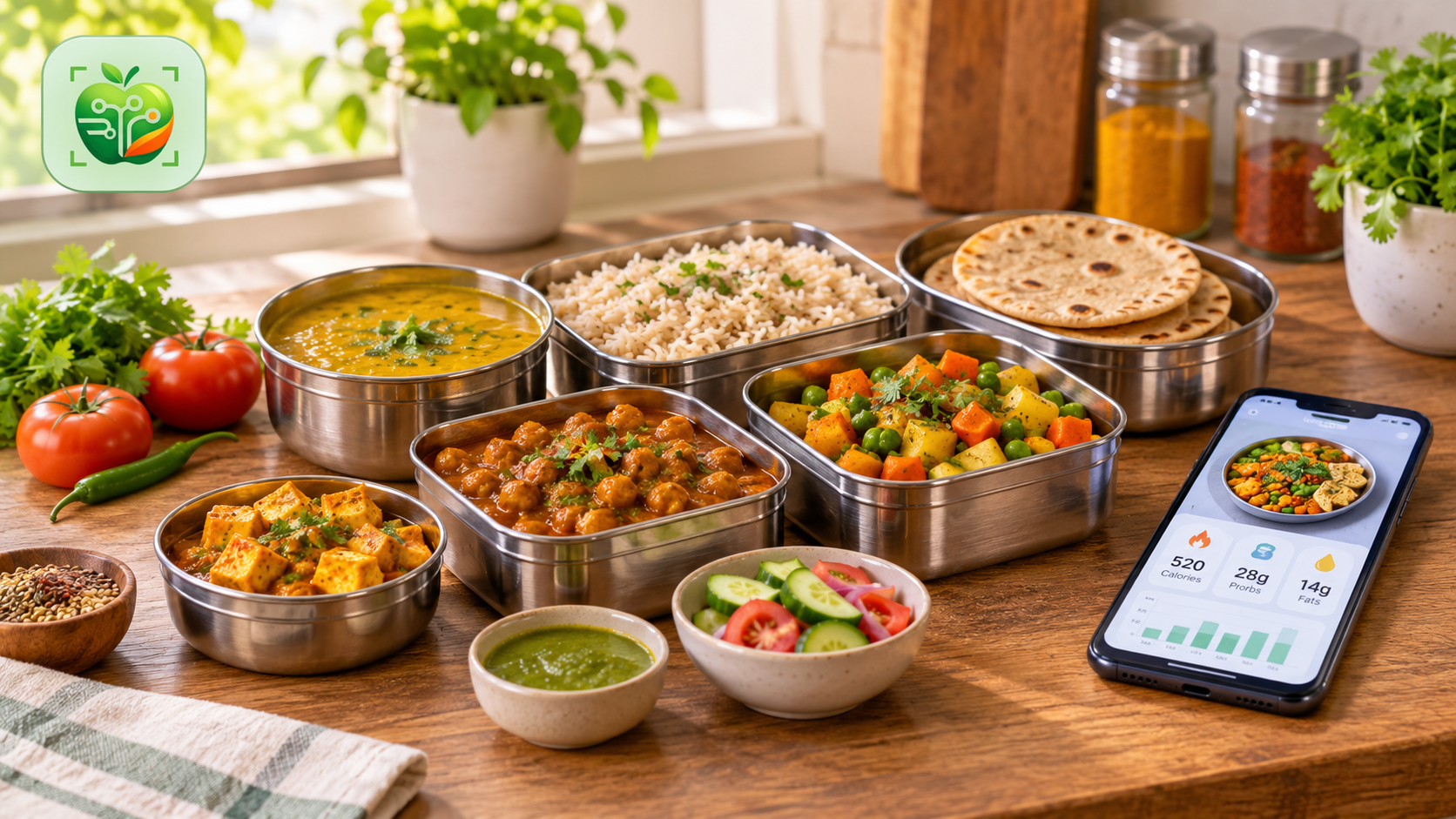
Why AI Makes Meal Prepping for Indian Diets Easier
AI removes the manual guesswork that usually slows down Indian meal planning.
- Instant calorie recognition: The AI engine identifies common Indian foods, from idli to paneer tikka, and instantly estimates calories, protein, carbs, and fats.
- Localized database: With a library of over 2,000 Indian foods, the system accounts for regional variations such as South-Indian coconut chutney or Punjabi butter chicken.
- Personalized coaching: Based on your goals, the AI suggests portion sizes and swaps that keep traditional flavors while improving nutrient balance.
These capabilities mean you spend less time measuring and more time cooking, which is especially valuable for busy professionals and families.
Step-by-Step AI Photo Logging for Common Indian Dishes
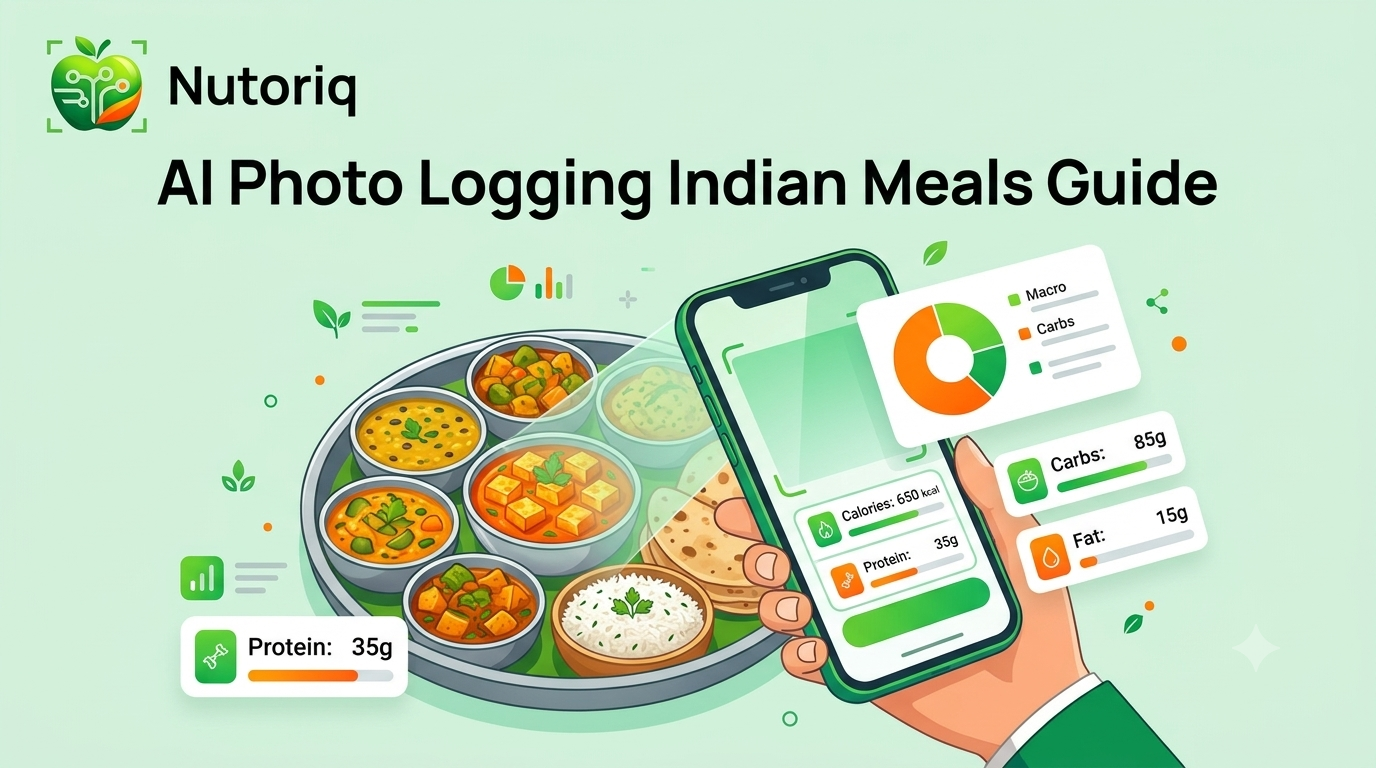
AI photo logging turns a smartphone camera into a nutrition scanner. Follow these steps to capture accurate data for everyday Indian meals.
- Prepare a clean plate - Arrange the dish on a plain surface; avoid cluttered backgrounds that can confuse the model.
- Snap a clear photo - Ensure good lighting and capture the entire plate; a top-down angle works best.
- Upload to the app - Open Nutoriq - AI Calorie Tracker and select the photo-logging feature.
- Confirm food items - The AI will list detected items (e.g., “chana masala, basmati rice”). Tap any that need correction.
- Adjust portion size - Use the slider to match the visual portion; the app recalculates calories instantly.
Tip: Keep a reference plate or measuring cup nearby for the first few meals; this trains your eye to estimate portions faster over time.
By following this workflow, you can log a thali, a bowl of sambar, or a plate of biryani with a single tap, and the app will automatically populate your daily nutrition log.
Balancing Macros in Indian Meals with AI Insights
Balancing macronutrients is essential for weight management, muscle gain, or metabolic health. AI insights simplify the process for Indian cuisine, which often blends carbs, fats, and proteins in a single dish.
- Protein focus: The AI highlights protein-rich components such as dal, paneer, tofu, or lean meats. If a meal falls short, it suggests adding a side of sprouts or a handful of nuts.
- Carb control: For high-glycemic items like white rice or naan, the app recommends portion limits and alternatives like quinoa pulao or millet rotis.
- Fat awareness: Indian cooking frequently uses ghee or oil. The AI flags dishes where added fats exceed recommended percentages and suggests using spray oil or reducing tempering time.
Custom Indian nutrition plan features let you set macro ratios (e.g., 40 % carbs, 30 % protein, 30 % fat) and receive daily suggestions that respect regional flavors while meeting those targets.
Batch Cooking Indian Staples for Accurate Calorie Tracking
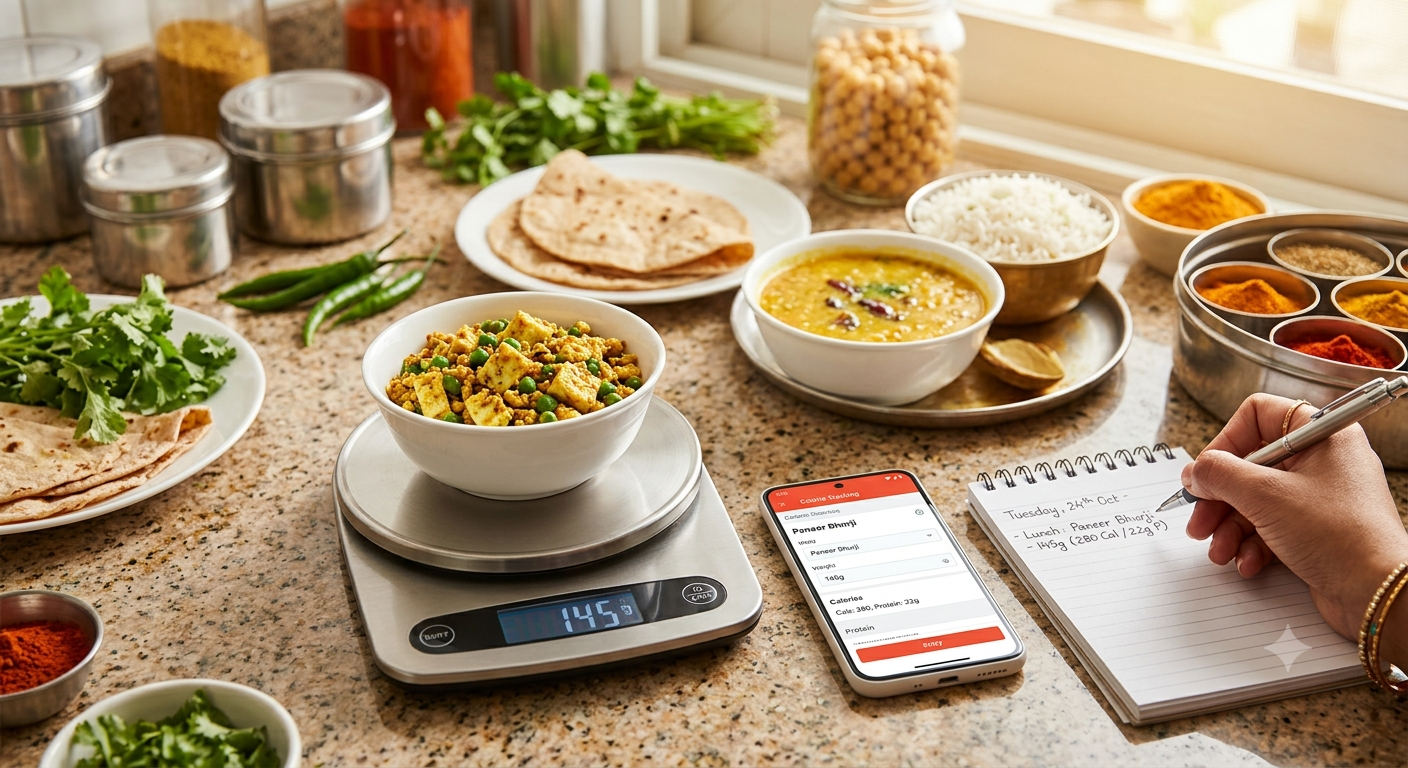
Batch cooking saves time and ensures consistent portion sizes, which improves AI calorie tracking accuracy. Here’s how to organize a week’s worth of staples.
- Cook grains in bulk - Prepare a large pot of brown rice, millet, or broken wheat (dalia). Store in airtight containers; each serving can be weighed once and reused, eliminating repeated measurements.
- Pre-portion legumes - Boil chickpeas, kidney beans, and moong dal in a single batch. Portion into 100-gram servings, label, and refrigerate. The AI will recognize the same legume across multiple meals, maintaining consistent calorie values.
- Freeze sauces - Make a big batch of tomato-onion base, coconut curry, or masala gravy. Freeze in portion-size bags; thaw only what you need for the day. This reduces variance caused by differing oil amounts.
When you later log a photo of a portion, the AI matches it to the pre-logged batch, delivering a precise calorie count without re-entering data each time.
FAQs
How does AI recognize Indian food in photos?
The AI model has been trained on thousands of Indian food images, learning visual patterns of textures, colors, and typical plating styles. When you upload a photo, it compares the image to its database and returns the most likely matches, such as “palak paneer” or “masala dosa.”
Can I track calories for homemade Indian recipes with AI?
Yes. After the AI identifies the main components, you can edit the ingredient list to include homemade spices or custom preparations. The app then recalculates the total based on your adjustments, ensuring home-cooked meals are accurately logged.
What are the best Indian dishes for batch cooking?
- Dal variations (toor, masoor, moong) - high protein, easy to store.
- Whole-grain rotis - prepare dough in bulk, roll and freeze.
- Vegetable curries - cauliflower, okra, or mixed veg in tomato base freeze well.
- Rice-based dishes - plain brown rice, quinoa pulao, or millet upma can be portioned ahead.
These dishes retain flavor after reheating and provide consistent macro profiles for AI tracking.
How accurate is AI calorie estimation for Indian spices?
Spices contribute minimal calories (typically <5 kcal per teaspoon), so the AI treats them as a negligible factor. However, it does account for oil or ghee used in tempering, which can significantly impact calorie totals.
How to customize AI meal plans for vegetarian Indian diets?
Select the vegetarian preference in Nutoriq - AI Calorie Tracker’s profile settings. The AI will then prioritize plant-based proteins like lentils, soy, paneer, and nuts, while still offering traditional vegetarian dishes such as aloo gobi, baingan bharta, and chole.
Key Takeaways
- Use AI photo logging to capture calories instantly for any Indian dish.
- Leverage the app’s macro-balancing insights to keep protein high and carbs moderate.
- Batch-cook staples like grains, legumes, and sauces for consistent portion control.
- Adjust spice and oil inputs manually for the most accurate calorie estimate.
- Set a custom vegetarian Indian nutrition plan to align with personal goals.
Conclusion
AI meal prepping Indian diet turns the complex task of tracking traditional meals into a streamlined, data-driven routine. By photographing dishes, relying on AI-generated macro insights, and batch-cooking core staples, you can enjoy authentic flavors while staying on target with your health objectives.
Ready to Try It Yourself?
Nutoriq - AI Calorie Tracker lets you log Indian meals with a single photo, offers personalized macro guidance, and supports batch-cooking workflows. Start using the app today to transform your kitchen into a smart, calorie-aware space. Get Started
Further Reading
- Indian cuisine - Wikipedia - Overview of regional dishes and ingredients.
- Nutrition and health - Government of India - Official guidelines on balanced diets.
- Food portion size guide - Harvard T.H. Chan School of Public Health - Visual tools for portion control.
- AI in nutrition - National Institutes of Health - Research on AI applications in dietary monitoring.